
Mastering Forex Trading: A Comprehensive Guide to the Foreign Exchange Market
The foreign exchange market (Forex or FX) is the largest and most liquid financial market in the world, with daily trading volumes exceeding $6 trillion. This guide will delve into the essentials of forex trading, including key concepts, major players, practical strategies, and tips for success. Whether you are a novice or an experienced trader, understanding the dynamics of the forex market is crucial for making informed trading decisions. For deeper insights and resources, consider visiting forex trading foreign exchange market https://trading-asia.com/.
Understanding the Forex Market
The forex market is a decentralized marketplace where currencies are traded. Unlike stock exchanges, it operates 24 hours a day, five days a week, making it accessible to traders all over the world. Currency pairs are quoted in terms of one currency against another, such as EUR/USD (Euro/US Dollar) or GBP/JPY (British Pound/Japanese Yen).
Forex trading involves speculating on the price movements of currency pairs. Traders can take long positions (buying a currency pair) if they believe the base currency will strengthen against the quote currency, or short positions (selling a currency pair) if they anticipate the opposite. Understanding currency correlations, drivers of currency value, and macroeconomic indicators is essential for successful trading.
Key Players in the Forex Market
The forex market comprises various participants, including:
- Central Banks: Institutions that manage a country’s monetary policy and regulate currency supply.
- Commercial Banks: Play a significant role in currency trading and provide liquidity in the market.
- Institutional Investors: Hedge funds, pension funds, and investment firms often trade currencies for speculation or to hedge against risk.
- Retail Traders: Individual investors who speculate on currency price movements, utilizing online trading platforms.
How Forex Trading Works
Forex trading is typically facilitated through a forex broker that provides access to the trading platform. A trader opens an account, deposits capital, and begins trading by analyzing currency pairs and executing buy or sell orders based on their market predictions.
Leverage is a defining feature of forex trading, allowing traders to control larger positions than their actual capital would permit. However, while leverage can amplify profits, it also increases the potential risks. It’s vital for traders to implement proper risk management strategies to safeguard their capital.
Types of Forex Trading Strategies

There are various trading strategies in the forex market, including:
1. Scalping
Scalping involves making numerous small trades throughout the day to capitalize on minor price movements. This strategy requires quick decision-making and a strong focus on technical analysis.
2. Day Trading
Day trading entails opening and closing trades within a single day, avoiding overnight risks. Day traders rely on intraday charts and patterns to identify trading opportunities.
3. Swing Trading
Swing trading aims to capture price swings over several days or weeks. Swing traders often use a combination of technical and fundamental analysis to make their decisions.
4. Position Trading
Position trading is a long-term approach where traders hold positions for weeks, months, or even years. This strategy is generally influenced by fundamental analysis and macroeconomic factors.
Analysis in Forex Trading
Successful forex trading requires thorough analysis, which can generally be categorized into two types: technical analysis and fundamental analysis.
Technical Analysis
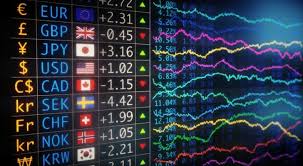
Technical analysts study historical price charts and use indicators to identify potential price movements. Call and put options, moving averages, and Relative Strength Index (RSI) are common tools employed in technical analysis.
Fundamental Analysis
This type of analysis focuses on economic indicators, geopolitical events, and news that can affect currency value. Investors scrutinize factors such as interest rates, inflation, and economic growth to gauge the strength of a currency.
Risk Management in Forex Trading
Implementing proper risk management strategies is vital for longevity in the forex market. Here are some essential practices:
- Use Stop-Loss Orders: Protect your capital by placing stop-loss orders to minimize losses on trades that move against you.
- Limit Leverage: Ensure that you understand the risks associated with high leverage and consider limiting your use of it to safeguard your trading account.
- Diversify Your Portfolio: Rather than concentrating your investment on a single currency pair, diversify across multiple pairs to spread risk.
Common Mistakes to Avoid in Forex Trading
Even seasoned traders can fall victim to common pitfalls. Here are some mistakes to be mindful of:
- Trading Without a Plan: Trading impulsively without a well-defined strategy can lead to significant losses.
- Overtrading: Avoid placing excessive trades in a short period, as it can quickly deplete your capital.
- Ignoring Economic News: Major economic announcements can drastically affect currency values; neglecting this can put you at a disadvantage.
The Future of Forex Trading
The forex market continues to evolve with advancements in technology, regulation, and trading practices. Emerging trends like algorithmic trading, increased use of AI in forecasting, and the rise of cryptocurrencies signal a shift in how traders engage with the market.
Understanding these developments is essential for staying ahead in the competitive world of forex trading. Continuous education, practicing on demo accounts, and engaging with reputable forex communities can enhance your trading skills and knowledge.
Conclusion
The foreign exchange market presents numerous opportunities for traders willing to learn and adapt. By grasping the foundational principles of forex trading, analyzing market conditions, and implementing robust risk management strategies, traders can navigate this dynamic environment successfully. Remember, the journey to becoming a proficient forex trader requires patience, dedication, and a commitment to lifelong learning.